.svg)


.svg)
.svg)

.svg)

.svg)
.svg)
.svg)

.svg)
.svg)
.svg)
.svg)
.svg)


Gestión de la remuneración por incentivos
La gestión de la remuneración por incentivos (ICM) es el proceso de alinear el rendimiento de los representantes de ventas con los objetivos de la organización. Los equipos de ventas son más propensos a rendir bien de forma constante cuando se les recompensa con los incentivos adecuados.
La gestión de la remuneración por incentivos se utiliza a menudo en organizaciones basadas en las ventas, donde son habituales los planes de remuneración basados en comisiones. Estos planes otorgan a los empleados un porcentaje de sus ventas como parte de su remuneración total.
Las organizaciones suelen hacerles firmar contratos con cuotas específicas para garantizar que los vendedores rindan al máximo. Si cumplen estas cuotas, reciben una bonificación; si no lo consiguen, no obtienen ninguna bonificación.
¿Qué es la gestión de la remuneración por incentivos?
La gestión de incentivos (ICM) es el proceso de diseñar, implementar y gestionar acuerdos de remuneración por comisiones. Se trata de un enfoque estratégico para motivar a los comerciales a alcanzar un objetivo predeterminado.
La remuneración por incentivos suele concederse además del salario base y las bonificaciones, y puede pagarse en efectivo o en especie. Las organizaciones la utilizan para impulsar el rendimiento de los empleados y alcanzar objetivos empresariales más ambiciosos.
¿Qué es un software de gestión de compensaciones por incentivos?
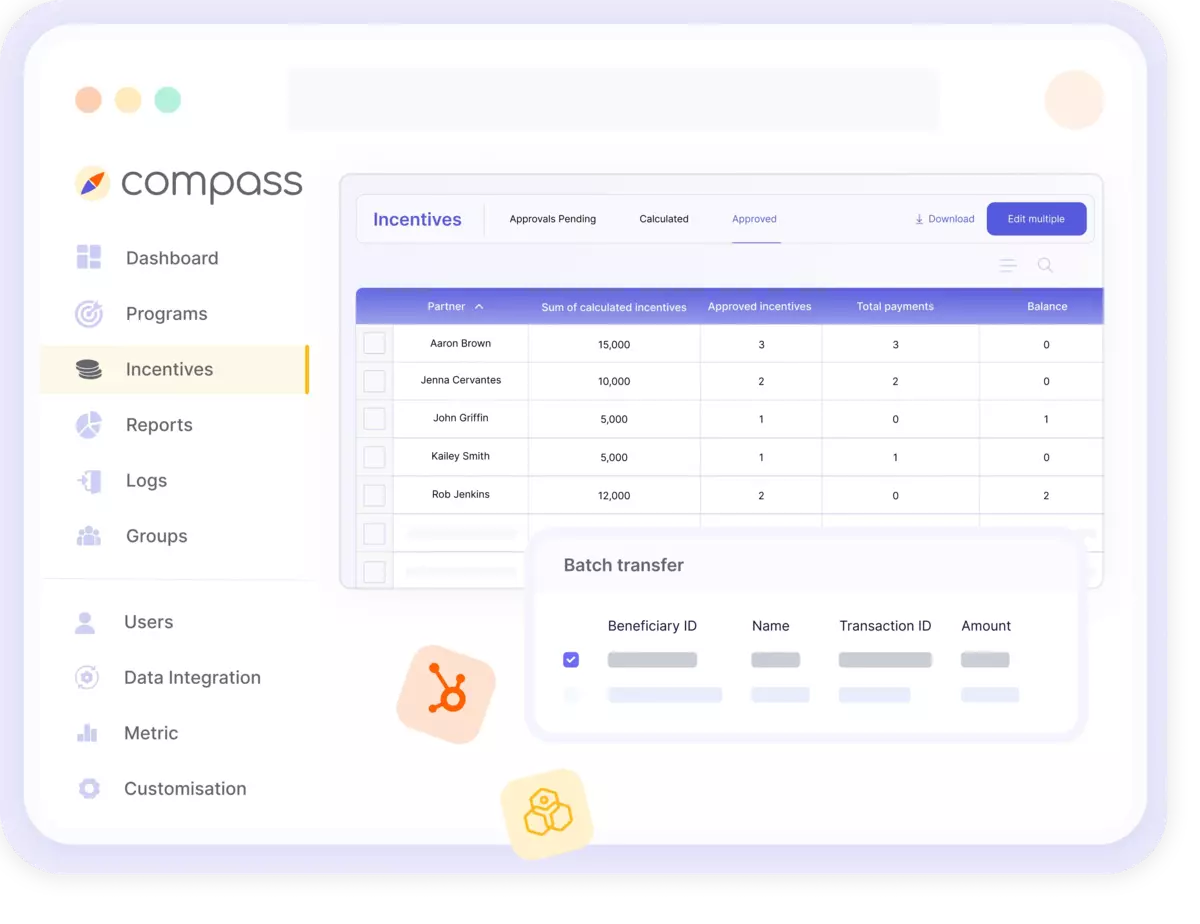
El software de gestión de incentivos esuna herramienta que ayuda a las empresas, ya sean pequeñas o grandes, a gestionar el plan de incentivos de una organización. Su objetivo principal es proporcionar un proceso optimizado para gestionar los incentivos y recompensas de los empleados.
No solo eso, sino que también proporciona a los gerentes herramientas para realizar un seguimiento del progreso, el rendimiento y otras métricas relacionadas con los programas de incentivos, de modo que puedan tomar decisiones informadas sobre la mejor manera de recompensar a los empleados por sus esfuerzos.
¿Cuáles son los beneficios de la gestión de la remuneración por incentivos?
Ventajas de los planes de remuneración por incentivos:
- Motivar a los empleadosofreciéndoles dinero adicional cuando obtienen buenos resultados o superan las expectativas.
- Retenga a los mejores talentosrecompensando a los empleados con mejor rendimiento con bonificaciones impresionantes u otras ventajas, en lugar de dejarlos marchar cuando expire su contrato.
- Aumente el rendimientoofreciendo incentivos para que los empleados se esfuercen más por alcanzar sus objetivos y reciban la recompensa prometida.
- Fomente el compromiso enel lugar de trabajo y anime a los empleados a mantener una alta productividad y eficiencia entre sus subordinados o compañeros.
¿Cuáles son los tipos de incentivos en la gestión de la remuneración?
Existen muchos tipos de incentivos en la gestión de la remuneración. Algunos de los más comunes son:
- Incentivos basados en el rendimiento(como comisiones, bonificaciones y opciones sobre acciones).
- Recompensas no monetarias(como tarjetas regalo, productos o tiempo libre).
- Recompensas intrínsecas(como el reconocimiento o el reconocimiento público).
Además de estos, se pueden utilizar otros tipos de incentivos en la gestión de la remuneración, entre los que se incluyen:
- Incentivos por fidelidad
- Incentivos para fomentar el espíritu de equipo
¿Cuáles son algunos ejemplos de compensación por incentivos?
La remuneración por incentivos puede adoptar muchas formas diferentes. Algunos ejemplos son:
- Comisiones o bonificaciones por ventas:se pagan en forma de porcentaje. Por ejemplo, los representantes de ventas que venden productos a comisión pueden recibir un porcentaje del precio de venta del producto por cada venta que realicen.
- Opciones sobre acciones para empleados (ESO):Las ESO otorgan a los empleados el derecho a comprar acciones de la empresa a un precio específico (el precio de ejercicio).
- Planes de acciones por rendimiento (PSP):En los PSP, las empresas prometen a los empleados acciones ordinarias a cambio de alcanzar objetivos específicos, normalmente financieros, a lo largo del tiempo. El número de acciones ofrecidas varía de una empresa a otra.

Encuestas sobre el pulso de los empleados:
Se trata de encuestas breves que pueden enviarse con frecuencia para comprobar rápidamente lo que piensan sus empleados sobre un tema. La encuesta consta de menos preguntas (no más de 10) para obtener la información rápidamente. Pueden administrarse a intervalos regulares (mensual/semanal/trimestral).

Reuniones individuales:
Celebrar reuniones periódicas de una hora de duración para mantener una charla informal con cada miembro del equipo es una forma excelente de hacerse una idea real de lo que les pasa. Al tratarse de una conversación segura y privada, te ayuda a obtener mejores detalles sobre un asunto.

eNPS:
eNPS (employee Net Promoter score) es una de las formas más sencillas y eficaces de evaluar la opinión de sus empleados sobre su empresa. Incluye una pregunta intrigante que mide la lealtad. Un ejemplo de preguntas de eNPS son ¿Qué probabilidades hay de que recomiende nuestra empresa a otras personas? Los empleados responden a la encuesta eNPS en una escala del 1 al 10, donde 10 significa que es "muy probable" que recomienden la empresa y 1 significa que es "muy improbable" que la recomienden.
En función de las respuestas, los empleados pueden clasificarse en tres categorías diferentes:

- Promotores
Empleados que han respondido positivamente o están de acuerdo. - Detractores
Empleados que han reaccionado negativamente o no están de acuerdo. - Pasivos
Empleados que se han mantenido neutrales con sus respuestas.
¿Cuáles son las características de los mejores planes de remuneración por incentivos?
Los mejores planes de remuneración por incentivos son aquellos que ofrecen la combinación adecuada de salario, prestaciones y condiciones laborales que atraen y retienen a los empleados.
Como regla general, los mejores planes de remuneración por incentivos tienen las siguientes características:
- Bastante sencillo y directo: asegúrate de que solo haya unas pocas excepciones y condiciones. Esto reduce la confusión y facilita que los empleados comprendan lo que deben hacer para obtener una recompensa y cuánto pueden esperar recibir si logran sus objetivos.
- Recompensas por un rendimiento sobresaliente: losmejores planes de incentivos recompensan a los empleados con un alto rendimiento con pagos más elevados que a aquellos que no lo tienen.
- Justo y equitativo: todoslos empleados deben poder optar a pagos de incentivos una vez que hayan cumplido los requisitos mínimos de rendimiento y recibir pagos proporcionales a su contribución al logro de un objetivo específico.
- Alineado con los objetivos de la empresa: elplan de incentivos debe estar vinculado a resultados empresariales específicos de los que el empleado es responsable, y deben existir medidas específicas para evaluar el rendimiento.
- Recompensas atractivas: Lasrecompensas previstas en un plan de incentivos deben ser lo suficientemente atractivas como para motivar a los empleados a trabajar en pos de los objetivos establecidos en el plan.
¿Por qué es importante la remuneración por incentivos?
Para que una empresa tenga éxito, necesita una plantilla motivada. Y la remuneración por incentivos sirve precisamente para lograrlo. Cuando se planifica y ejecuta correctamente, motiva a los empleados a esforzarse al máximo en su rendimiento. Una empresa puede utilizar la remuneración por incentivos de dos maneras:
- Como recompensa por superar los objetivos fijados o alcanzar determinados niveles de producción.
- Como incentivo para motivar a los empleados a rendir al máximo nivel posible.
La remuneración por incentivos es importante porque ayuda a las empresas a motivar a sus empleados. Un plan de remuneración por incentivos bien diseñado puede animar a los empleados a alcanzar sus objetivos o a rendir por encima de un determinado nivel. Además, también es una herramienta excelente para retener a los empleados más valiosos.
¿Por qué es importante la gestión de la remuneración por incentivos en las ventas?
Un plan de remuneración por incentivos bien gestionado motiva a los comerciales, aumenta la productividad e impulsa los ingresos. Sin un enfoque estructurado, las empresas corren el riesgo de tener objetivos desalineados, errores en los pagos y una baja moral del equipo. Una gestión eficiente garantiza la transparencia, genera confianza y fomenta una cultura de ventas de alto rendimiento.
¿Cuándo deben los equipos de ventas utilizar la gestión de la remuneración por incentivos?
La gestión de la remuneración por incentivos debe utilizarse desde el momento en que se forma un equipo de ventas y comienza a trabajar para alcanzar objetivos basados en el rendimiento. Resulta especialmente importante durante los periodos de crecimiento, al entrar en nuevos mercados, lanzar nuevos productos o gestionar planes de remuneración complejos. Una implementación oportuna evita confusiones y esfuerzos descoordinados.
¿Cómo funciona la gestión de la remuneración por incentivos?
Implica planificar modelos de remuneración, definir métricas de rendimiento, establecer cuotas, realizar un seguimiento de los resultados y calcular los pagos con precisión. Muchas empresas utilizan software de gestión de remuneraciones por incentivos para automatizar y optimizar este proceso. Estas herramientas ayudan a reducir los errores manuales, proporcionan visibilidad en tiempo real y garantizan que los representantes de ventas sean recompensados de forma justa y coherente.